
University Media
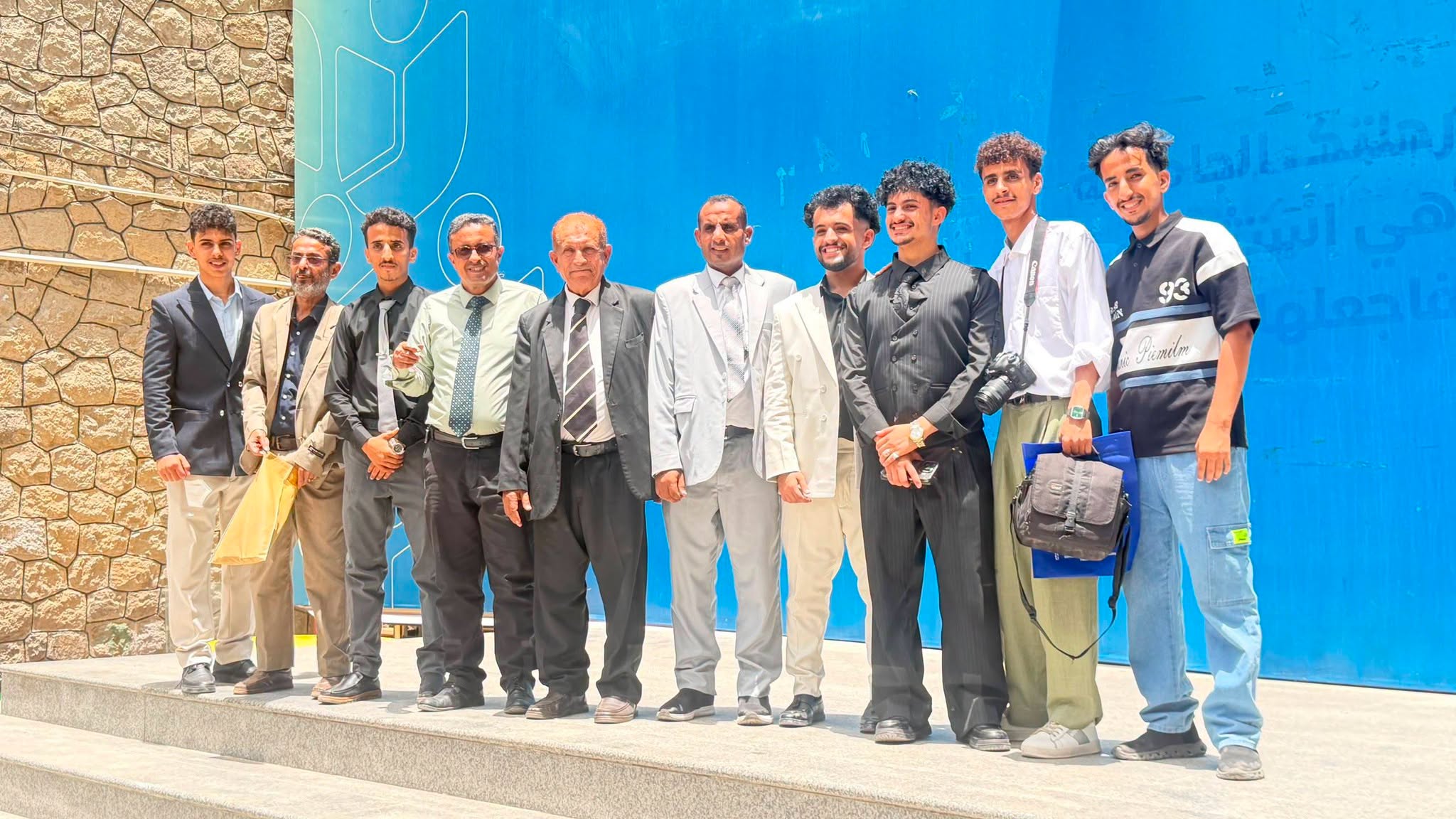
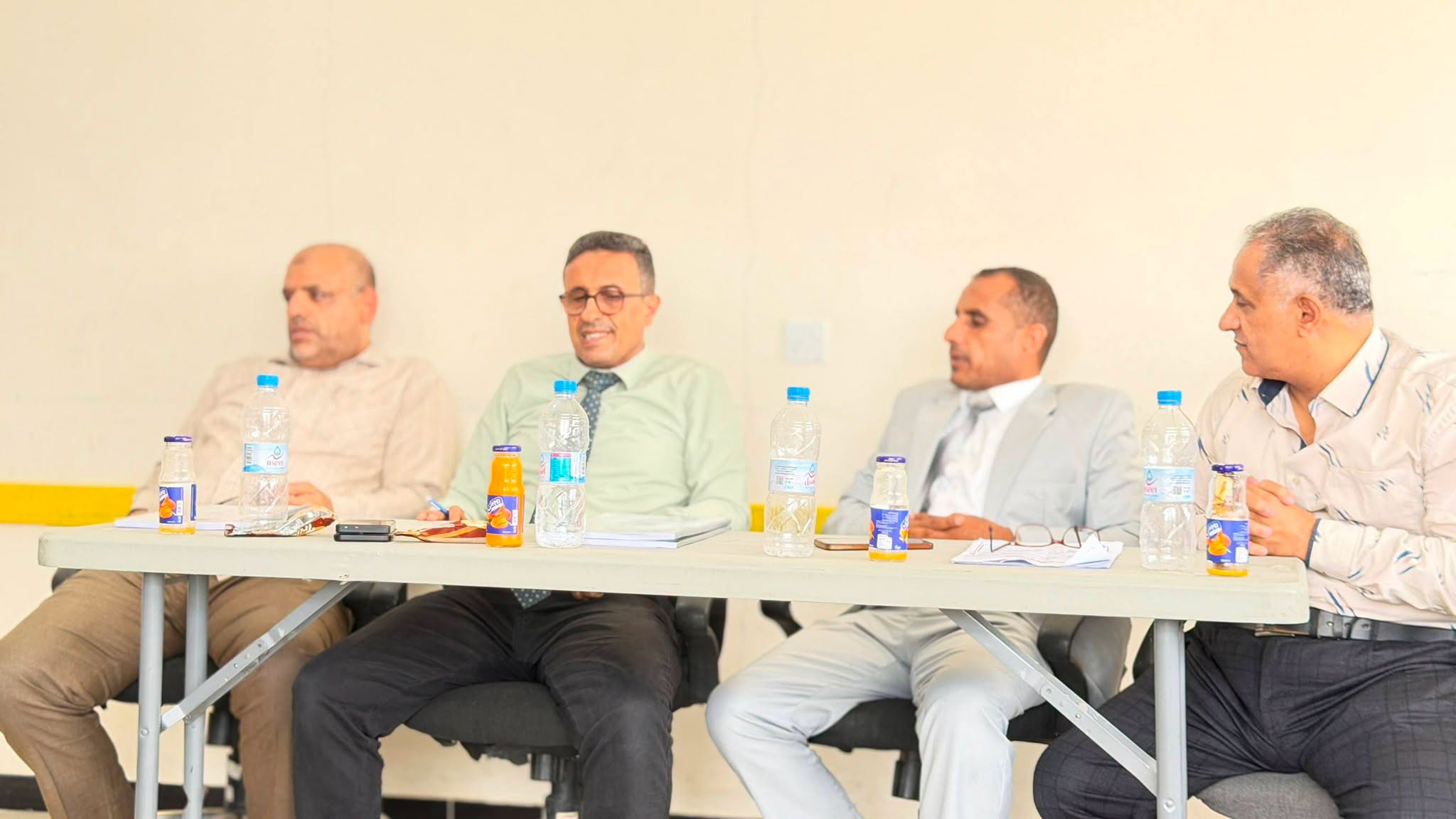
The Department of Mechatronics Engineering at the College of Engineering and Information Technology is continuing its series of graduation project examinations, with students presenting two innovative engineering projects aimed at developing sustainable solutions to water and energy challenges in Yemen. The projects reflect the university’s commitment to advancing applied research and supporting sustainable development priorities.
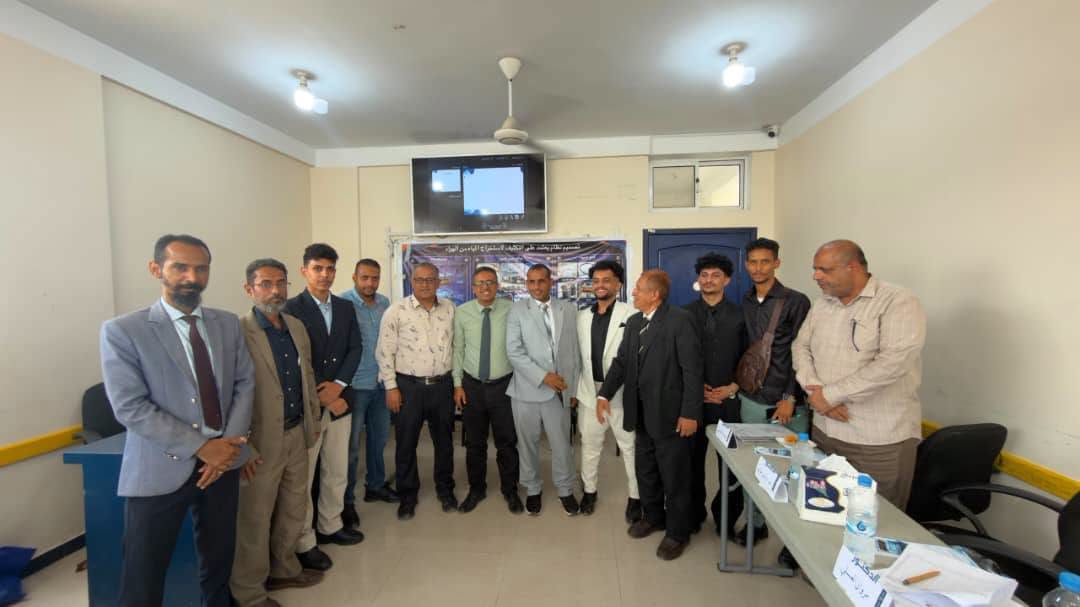
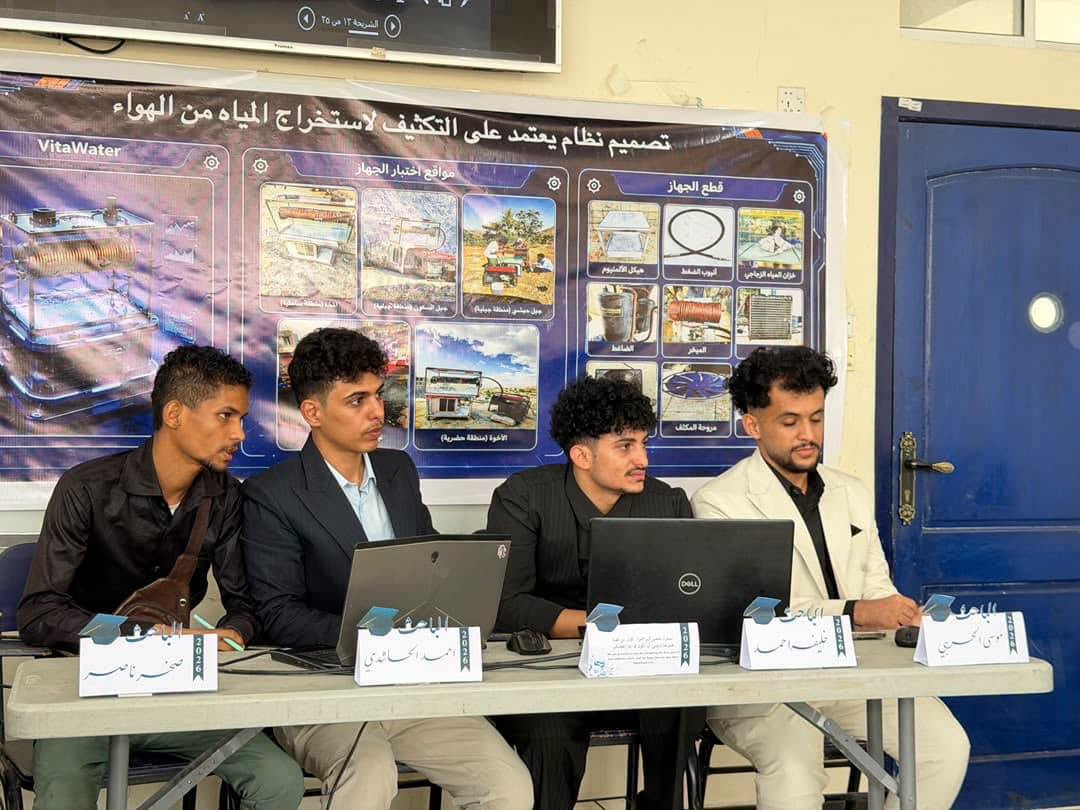
The first project examined the technical and economic feasibility of designing an atmospheric water-generation system based on condensation technology in Taiz. The students successfully developed a prototype that uses a vapor-compression cycle to extract water from atmospheric moisture. The project was supervised by Dr. Abdulraqeeb Ghalib, Dean of the College, and evaluated by Dr. Marwan Al-Asali, Head of the Department; Dr. Abdullah Al-Asbahi, Vice Dean for Graduate Studies; and Dr. Abdulkarim Al-Qadri, Head of the Department of Civil Engineering.
Field tests conducted in several areas of the governorate demonstrated the system’s efficiency, particularly in coastal areas. The study also found that operating the system using a hybrid solar-power configuration could be economically viable while providing a safe and reliable source of water.
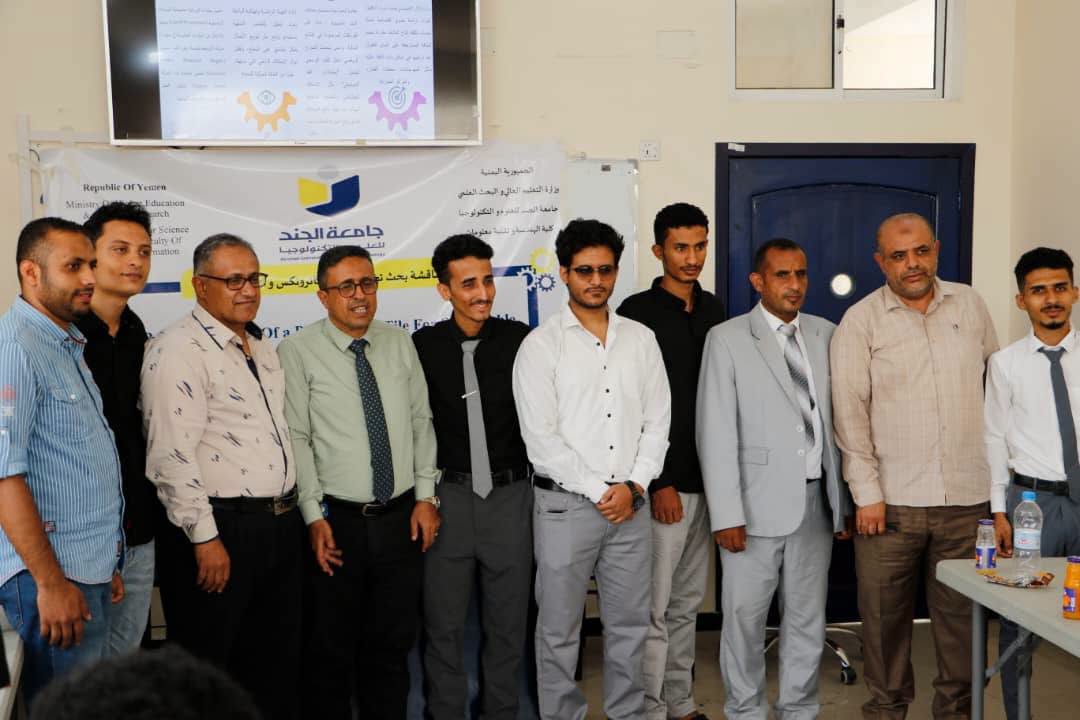
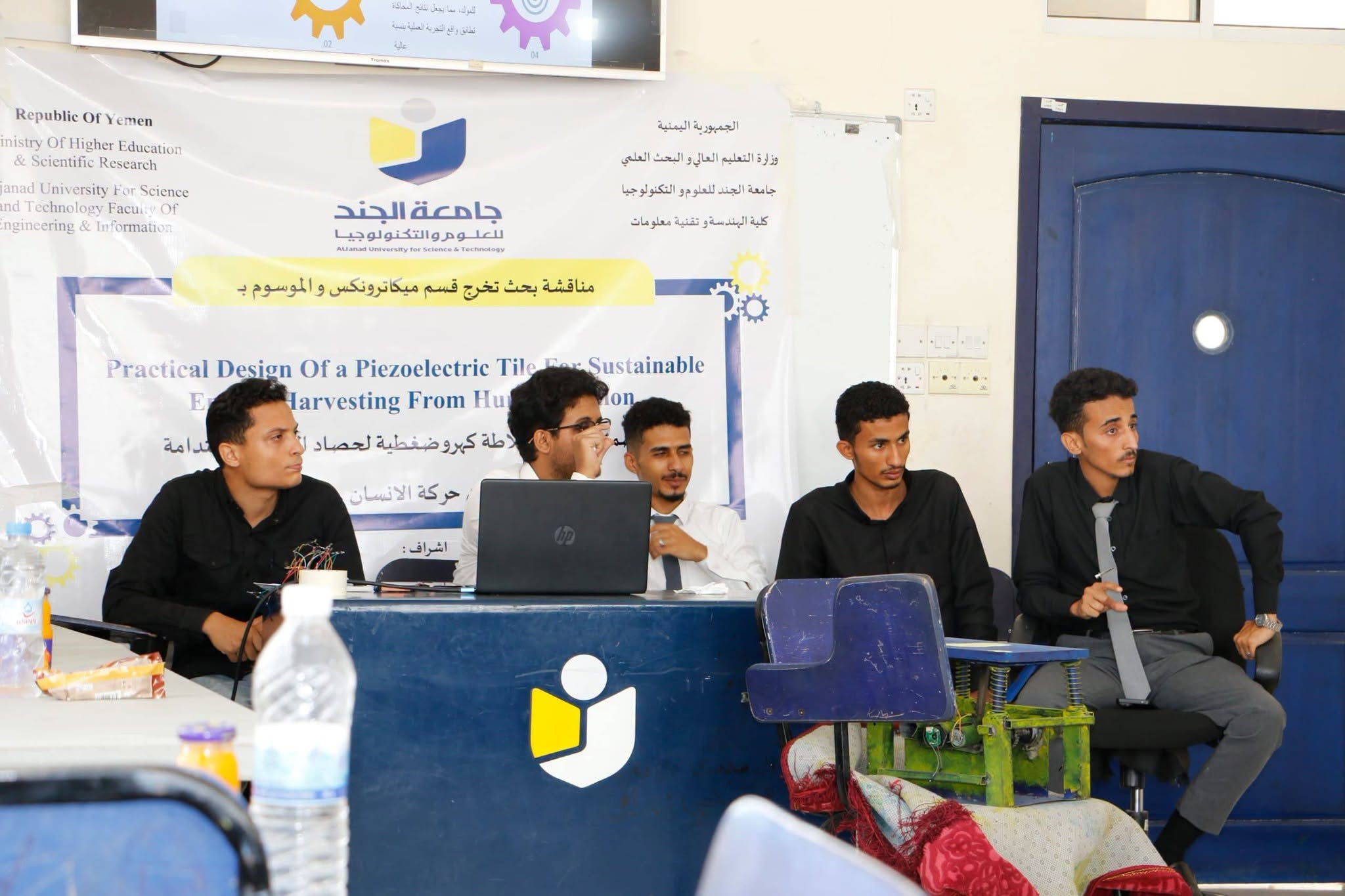
The students also presented a second project on generating electricity from pedestrian movement, titled “Practical Design of a Piezoelectric Tile for Sustainable Energy Harvesting from Human Movement.” The project focused on developing a floor tile capable of converting the pressure generated by pedestrians’ footsteps into electrical energy through an advanced mechanical system.
The project’s analytical results demonstrated its engineering feasibility and potential to generate sustainable energy for use on university campuses and in high-traffic essential facilities. The project was supervised by Dr. Marwan Al-Asali and evaluated by Dr. Abdulraqeeb Ghalib, Dr. Abdullah Al-Asbahi, and Dr. Abdulkarim Al-Qadri.
The examinations highlighted the students’ strong academic capabilities and their ability to develop practical models with technical and economic potential. They also underscored the Department of Mechatronics Engineering’s commitment to developing innovative engineering solutions that address national challenges and advance sustainability and development efforts.
 Sunday, 09 August, 2026
 Wednesday, 05 August, 2026
 Tuesday, 04 August, 2026 Sunday, 02 August, 2026
 Monday, 29 June, 2026
 Tuesday, 23 June, 2026
To locally lead, regionally compete in education and scientific research, and effectively contribute to community service
Copyright ©2026 Al Janad University. All Rights Reserved